Which trading approach fits Indian index options better — directional option buying or spread-based setups
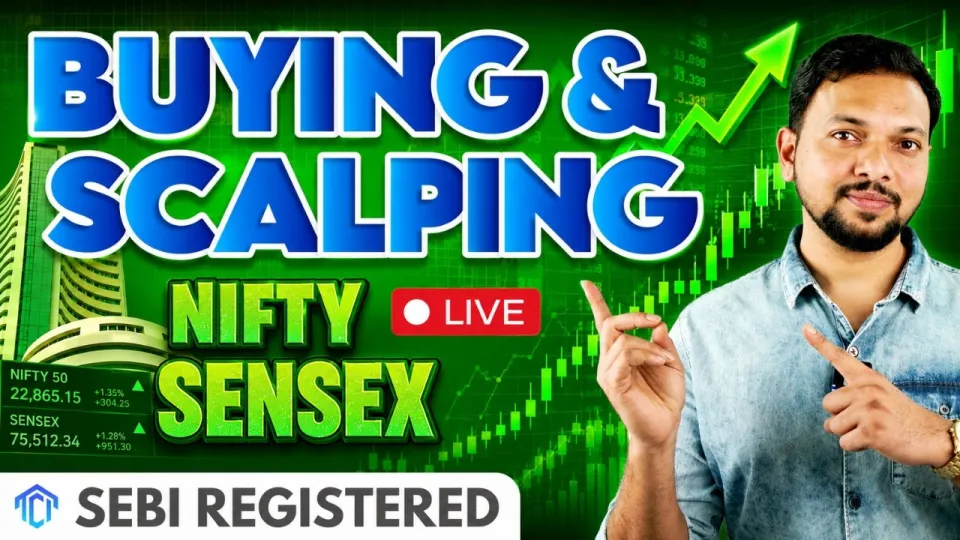
Video: LIVE TRADING Nifty BankNifty and SENSEX | Option Buying | 15 Oct #livetrading
Want articles like this for your own video to promote it on YouTube and Google? Order them through the Telegram bot @sat_sit_bot. Articles with your video embedded are written and posted by the bot itself — on popular topical sites (no ads). Try it free: 50 articles on us.
· based on the channel TRADING CAFE INDIA
Trading in Indian index options comes down to a simple choice: buy the option and pay a fixed premium with a capped loss, or sell and collect premium with an open-ended risk. For most retail traders on Nifty, BankNifty and SENSEX, option buying is the better starting point because the maximum loss is known before entry — you can register and compare broker terms via this Lemonn registration link before committing capital.
The trade-off is that buying needs a real move to pay off. Premium erodes with time and volatility, so a correct direction with a slow move can still lose money. The live session from TRADING CAFE INDIA on 15 Oct is a useful case study in how those mechanics play out on an intraday expiry-week day.
Why option buying suits Nifty, BankNifty and SENSEX beginners
Option buying is the only index trading style where the worst case is fixed at the moment of purchase. When you buy a Nifty call or a SENSEX put, the premium paid is the entire risk; no stop-loss order can slip past it and no gap can enlarge it. That single property is why so many Indian retail traders start with index option buying rather than futures or short options.
The mechanics are straightforward:
- Pick the index — Nifty 50, Bank Nifty or SENSEX — and the expiry you want to trade.
- Choose a strike, usually at-the-money or slightly out-of-the-money, where the premium is affordable relative to your capital.
- Pay the premium; the position is now open and the loss cannot exceed that amount.
- Exit on a target, on a stop at roughly 30–50% of the premium paid, or before the final hour if the move has not arrived.
What buying does not give you is time. Every hour that passes without movement costs money, and on expiry day the decay accelerates sharply in the afternoon. A bought option needs the index to move in your direction faster than the premium bleeds away.
Contract sizes and point values across the three indices
The three indices are not interchangeable, and the difference in lot value is the first thing a new trader should check. BankNifty moves in larger point swings than Nifty, and SENSEX has its own contract specification on BSE, so the same premium outlay produces very different exposure depending on which index you choose.
A practical comparison before you enter any trade:
- Nifty 50 — the most liquid index options market in India, tightest spreads, smallest notional per lot, best for learning execution.
- Bank Nifty — higher volatility per point, which means faster premium movement in both directions and less room for a loose stop.
- SENSEX — BSE's benchmark, with its own lot size and strike spacing; liquidity is thinner than Nifty, so limit orders matter more.
If a trader expects a 400-point move on a 73,000 SENSEX strike, that expectation has to be converted into rupees of premium before sizing the position. A move that sounds large in index points can be small in option premium if the strike is far out-of-the-money.
Reading the session: what the 15 Oct live trading showed
The 15 Oct live session tracked Nifty, BankNifty and SENSEX through an intraday option-buying approach, and the viewer reaction captured the two outcomes that dominate retail index trading. Some viewers called the SENSEX direction correctly and expected the index to reach 74,300; others reported being underwater on held calls or losing about 13,000 rupees in a single day.
Both outcomes usually come from the same place. Directional calls on an index are not the hard part — position size and exit discipline are. A trader who risks 13,000 rupees on one option buy is not trading a setup, they are trading a conviction, and a single wrong conviction erases many small wins.
Three habits separate the two groups:
- Define the loss in rupees before entry. If the premium is 2,000 per lot, a 50% stop means 1,000 of risk per lot — not an amount chosen after the trade goes against you.
- Match the strike to the expected move. Buying a cheap far strike needs a much bigger index move to pay; buying at-the-money costs more but responds faster.
- Do not average a losing buy. Adding to a falling option multiplies the premium at risk and turns a capped loss into a large one.
Common questions traders raise after a live session
Most doubts after a live trading session are about holding, targets and where to find the next setup. A recurring one is whether a losing call can simply be held until it recovers — the answer is that a bought option is a wasting asset, and holding through theta decay without a defined thesis is how a small loss becomes a full premium loss.
Another frequent question is where the levels come from and whether the setups are shared outside the stream. TRADING CAFE INDIA publishes index setups through its tools page at https://tradingduniya.com/tools/nifty-sensex-vip-setups and runs a free Telegram channel at https://t.me/tradingcafeindia for trade updates and BTST notes. Traders also ask about the office location and about crypto and gold coverage, which the channel handles separately from the Indian index work.
On the instrument side, the channel points global users to XM at https://linktwin.co/dmsdah, while Indian residents should note that trading currency pairs without INR or using brokers not registered in India is restricted under FEMA, and the RBI maintains a list of authorised entities. Crypto and gold calls are distributed through CoinSwitch at https://coinswitch.co/pro/signup?code=YFwNMWq and Delta at https://www.delta.exchange/?code=tci.
Risk rules that keep an option buyer in the game
Risk control, not prediction, is what makes index option buying survivable over a year. Because the loss on a bought option is capped, the real danger is repeated oversized bets that each feel small at entry. A workable framework for Nifty, BankNifty and SENSEX trading:
- Cap total daily risk at 1–2% of trading capital; if that is 13,000 rupees, one trade should not consume all of it.
- Size by premium, not by lot count you can afford — the number of lots should follow from the stop, not the other way around.
- Avoid fresh expiry-day buys in the last hour, when decay is fastest and spreads widen.
- Keep a written log of entry reason, strike, premium paid and exit; patterns in that log are worth more than any indicator.
- Treat any signal service, including SEBI-registered research, as input rather than instruction — registration does not guarantee returns.
Useful links from the session
- Lemonn registration and offers: https://lemonn.co.in/affiliate-deeplink?data=lnxoh3
- Nifty and SENSEX VIP setups: https://tradingduniya.com/tools/nifty-sensex-vip-setups
- Free Telegram channel: https://t.me/tradingcafeindia
- XM for global users: https://linktwin.co/dmsdah
- CoinSwitch for crypto and gold: https://coinswitch.co/pro/signup?code=YFwNMWq
- Delta exchange: https://www.delta.exchange/?code=tci
Final takeaway
Option buying on Nifty, BankNifty and SENSEX is the cleanest way for a retail trader to take directional risk, because the premium paid is the whole loss and nothing more. What it does not fix is sizing and discipline: the same session that produced a correct 74,300 SENSEX call also produced a 13,000-rupee loss for someone who sized too large or held a decaying position. Use defined stops, match strikes to expected moves, and treat every live call as education rather than a guarantee. This breakdown was prepared by TRADING CAFE INDIA, which runs the live index sessions and publishes the setups linked above. If you want to open or compare a broker account before your next trade, start with the Lemonn registration page and read the risk disclosures first.
Key takeaways
- Index option buying means paying a premium for a call or put, so the maximum loss is capped at the premium paid.
- Nifty, BankNifty and SENSEX have different lot sizes and point values, so the same premium buys very different exposure.
- A 74,300 SENSEX target and a 400-point move on the 73,000 strike are the kind of levels retail traders discuss in the comments.
- The most common reported outcome among viewers is a loss of around 13,000 rupees on a single session.
- Trading Cafe India runs the live session under SEBI research analyst registration INH000013767.
Source: LIVE TRADING Nifty BankNifty and SENSEX | Option Buying | 15 Oct #livetrading · Markdown version
Questions & answers
Is option buying safer than option selling for beginners?
Buying is safer in the sense that the maximum loss is the premium paid and cannot exceed it, while selling carries open-ended risk. The catch is that bought options lose value to time decay, so buying requires a real move in your direction to be profitable. For most beginners, capped risk is worth that trade-off.
Why did my Nifty call lose money even though the index went up?
A bought call can lose even on a small up-move because the premium includes time value that erodes through the session, and implied volatility can fall after entry. If the index moves less than the premium decay over your holding period, the position ends in the red despite the correct direction.
How much should I risk on a single SENSEX or BankNifty option trade?
A common guideline is 1–2% of trading capital per trade, with total daily risk kept inside the same band. If your capital is small, that means fewer lots, not a cheaper far out-of-the-money strike bought in size. Size from the stop distance in premium, not from the number of lots you can afford.
Are the setups shared in the live sessions guaranteed to work?
No. SEBI registration for a research analyst does not guarantee performance or assure returns, and the channel's own disclaimer states the content is educational. Treat any setup as one input among several and apply your own risk limits and due diligence before acting on it.